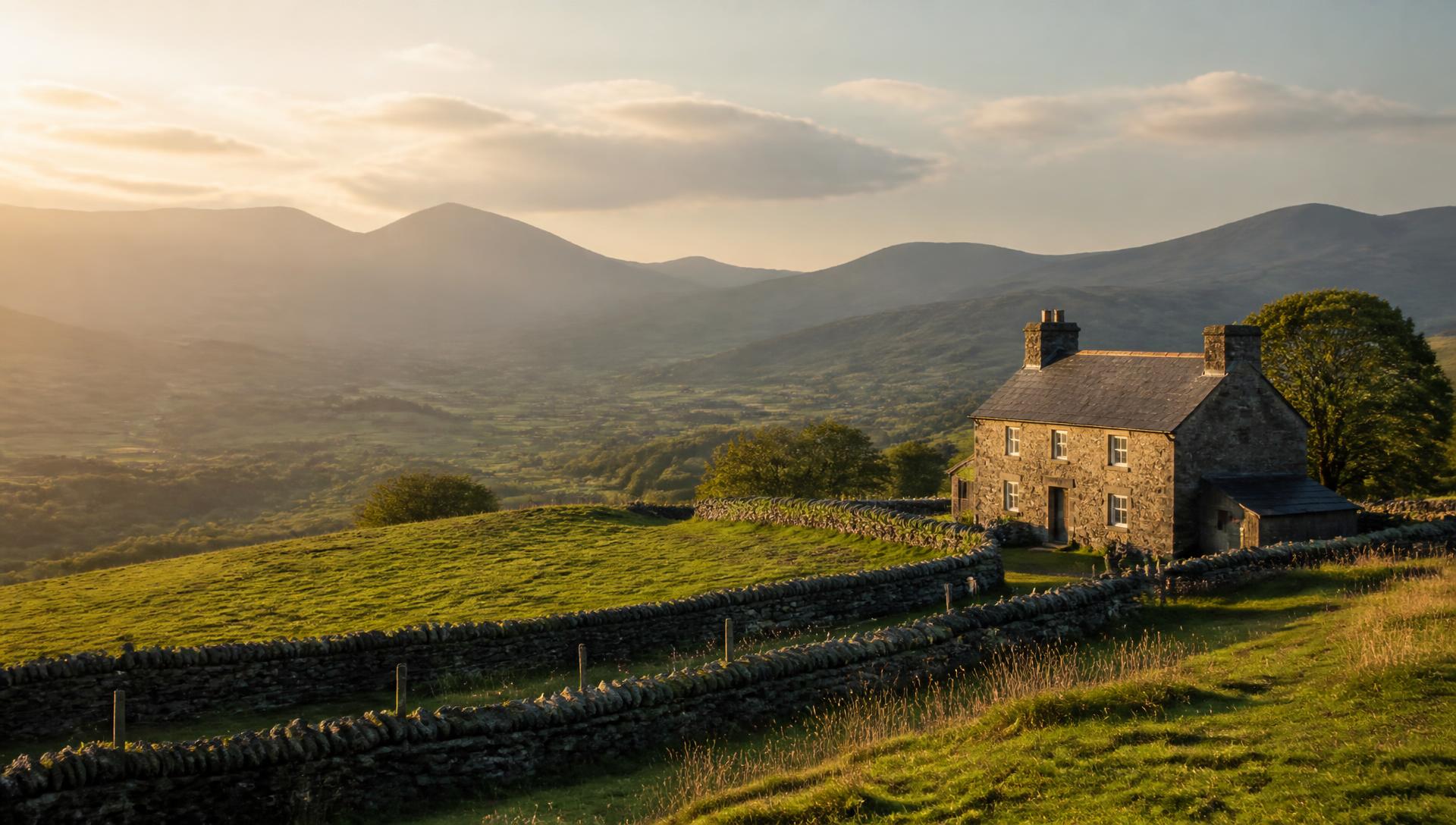
Stone farmhouse in the Welsh hills at golden hour
About Welsh Language Hub

Welsh is more than something to learn. It's a world to step into.

Welsh Language Hub is a modern home for Welsh — whether you're starting from scratch, rebuilding the Welsh you left behind at school, or simply want to feel closer to the language and culture of Wales.

It started as a course. It's grown into something broader: a place to hear real Welsh, practise it without pressure, read it at your level, and find the music, television, history and stories that make it worth learning in the first place.

Learn it. Practise it. Listen to it. Discover it. Use it.

The founder

I came home to learn Welsh. Then the project got a little bigger.

I'm Dylan. I've spent nearly 20 years teaching languages, have a Master's degree in Applied Linguistics, and have worked with places including UCL, Cardiff University and BBC Learning English.

I've also been the learner. Living in China and Korea, I learned Chinese and Korean with short, structured audio lessons — often while walking, commuting or cooking. The best ones made progress feel manageable.

When I moved back to Wales, I decided it was finally time to learn Welsh properly. I wanted a modern course with short lessons, real conversations, good audio, clear explanations and Welsh I could actually use. So I started building one.

I'd had some school Welsh tucked away somewhere, but actually putting sentences together and using the language with confidence was another thing entirely. There was plenty of good material out there; what I kept wishing for was one clear, adult route forward.

Then something happened. The more Welsh I learned, the more I wanted to read it, hear it and find the music, TV, history and stories that live in it. Lessons alone weren't enough — I wanted somewhere to spend time with the language.

So the course became a Hub: Quick Cymraeg at its centre, surrounded by reading, listening, games, grammar, vocabulary and culture. Everyday language, and everything around it.

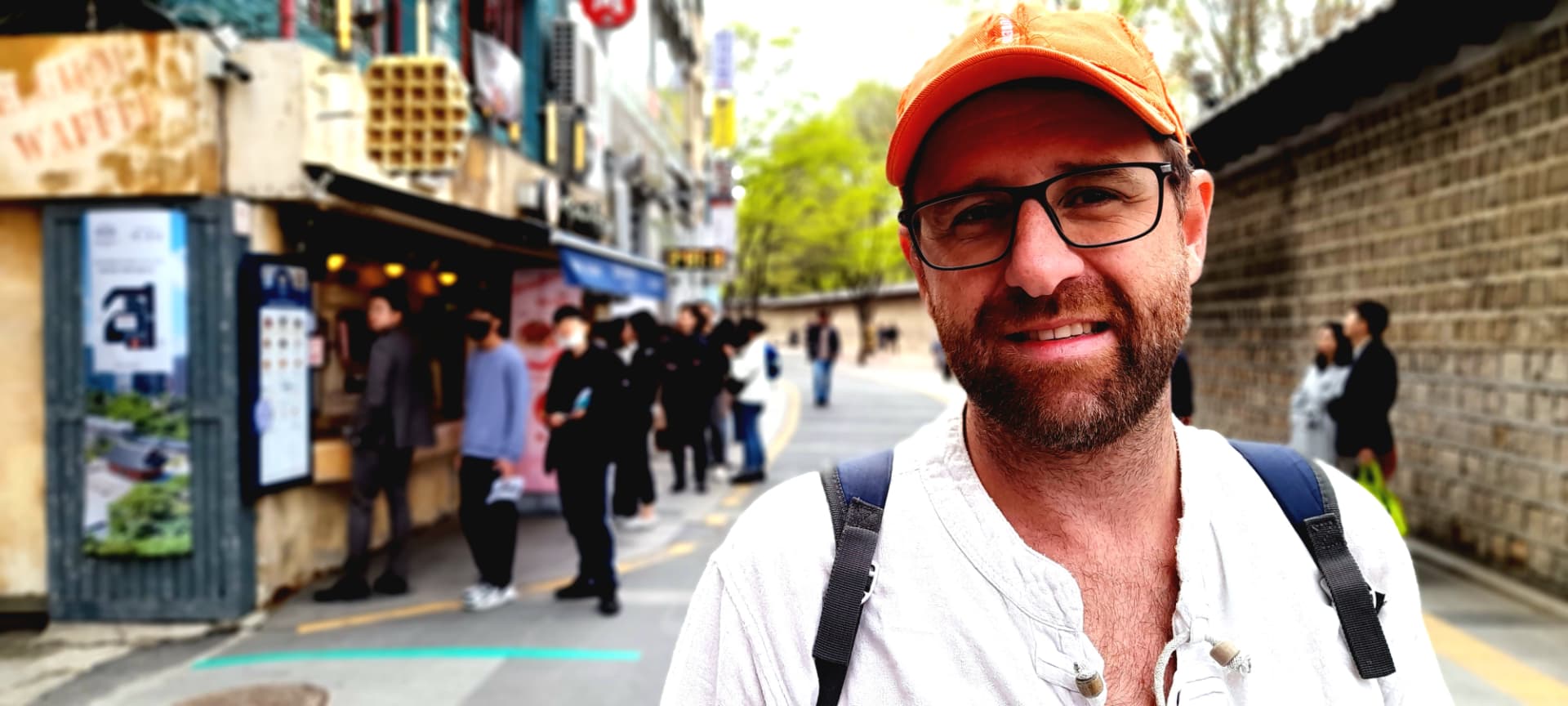
Dylan, founder of Welsh Language Hub, smiling on a city street
Dylan · Founder, Welsh Language Hub

A place to make Welsh part of your life.

Some days that means a Quick Cymraeg lesson. Other days it's a vocabulary game, a levelled reading with audio, a new Welsh band, or a quick look at a grammar point that's been bothering you.

Save the words you want to keep, come back to them later, and sometimes just spend a little time with Welsh. It all counts.

You don't need a study plan or an hour a day. Ten minutes on the bus, a song on the way to work, an article over a coffee — small, regular contact with Welsh is how it stops feeling foreign and starts feeling like yours.

The Hub

Five ways in.

Start wherever suits you today. Each part works on its own, and together they give Welsh a regular place in your week.

01

Learn

Quick Cymraeg

Short, audio-led lessons built around real conversations, taking you from hearing a situation to saying it yourself.

02

Practise

Games & vocabulary

Quick, replayable games and saved-word reviews that help useful words stick.

03

Read & listen

Welsh at your level

Levelled articles on people, places and stories, with audio, glossaries and translations.

04

Understand

Vocabulary & Grammar

Clear, friendly explanations of the words and patterns that matter most.

05

Discover

Music, Sport, TV & Culture

Bands, broadcasters, sporting moments and cultural history — the Wales that lives in the language.

Approach

How we teach. Whose Welsh we teach.

The objective isn't to get good at Welsh exercises. It's to become increasingly comfortable with Welsh.

The teaching methodology and the product and course design behind Welsh Language Hub are mine. They draw on my years of teaching, my background in applied linguistics and my own experience of learning languages as an adult.

The Welsh itself is shaped by more than one person: Welsh-speaking friends and family, our presenters, books and published resources, reliable online sources, and the Welsh I meet while learning and living in Wales.

We usually teach one clear, usable form first — and point out useful regional variation when it helps, so you recognise the Welsh you'll hear around Wales without being overwhelmed by it.

In practice that means starting with real situations rather than grammar tables, explaining how Welsh works when it genuinely helps, getting you speaking early, and bringing useful words and patterns back again and again until they become part of the Welsh you can actually produce.

Meet your presenters

Two voices. Two parts of Wales.

One from the south, one from the north — and that's deliberate. Welsh doesn't sound the same everywhere, and hearing both helps you understand the people you'll actually meet.

When vocabulary, pronunciation or everyday expressions differ, Sara and Carwyn point out both northern and southern forms — without turning every lesson into a dialect lecture.

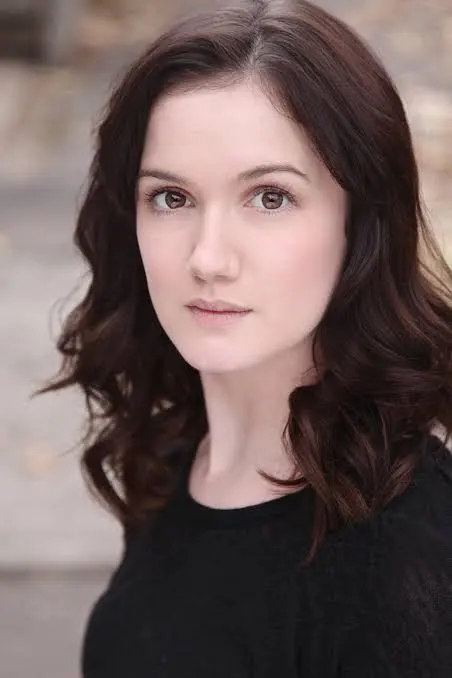
Portrait of presenter Sara Lloyd-Gregory

Sara Lloyd-Gregory

Presenter · Actor · Ammanford, South Wales

Sara is a Welsh actor from Ammanford — you may know her from Pobol y Cwm. She brings a naturally southern voice to the course and helps keep the Welsh conversational, current and grounded in the way people actually speak.

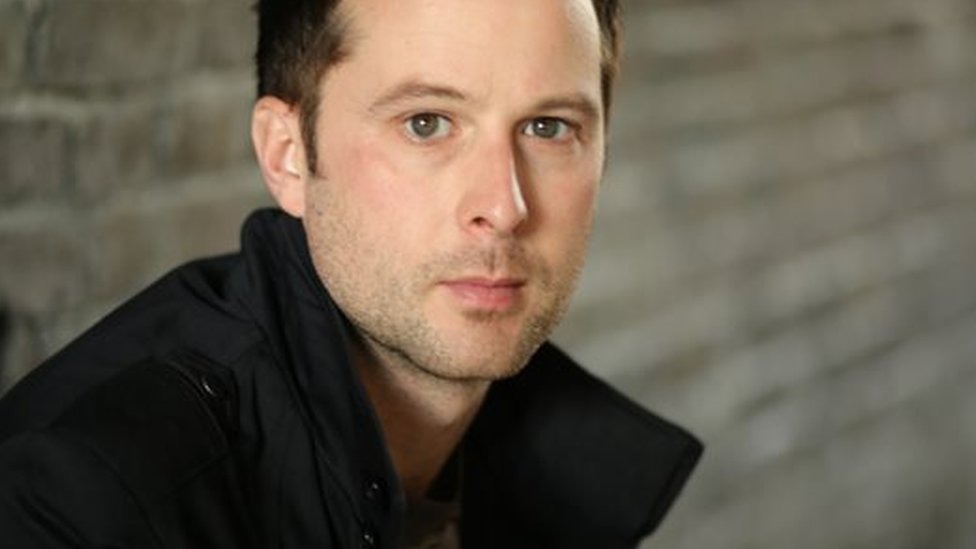
Portrait of presenter Carwyn Jones

Carwyn Jones

Presenter · Actor · Llanfairpwll, Anglesey

Carwyn is a Welsh actor from Llanfairpwll on Anglesey — you may know him from Stad. He brings a northern perspective to the course and helps learners notice the useful differences they're likely to hear around Wales.

Not textbook Welsh from nowhere. Welsh spoken by actual people from actual places.

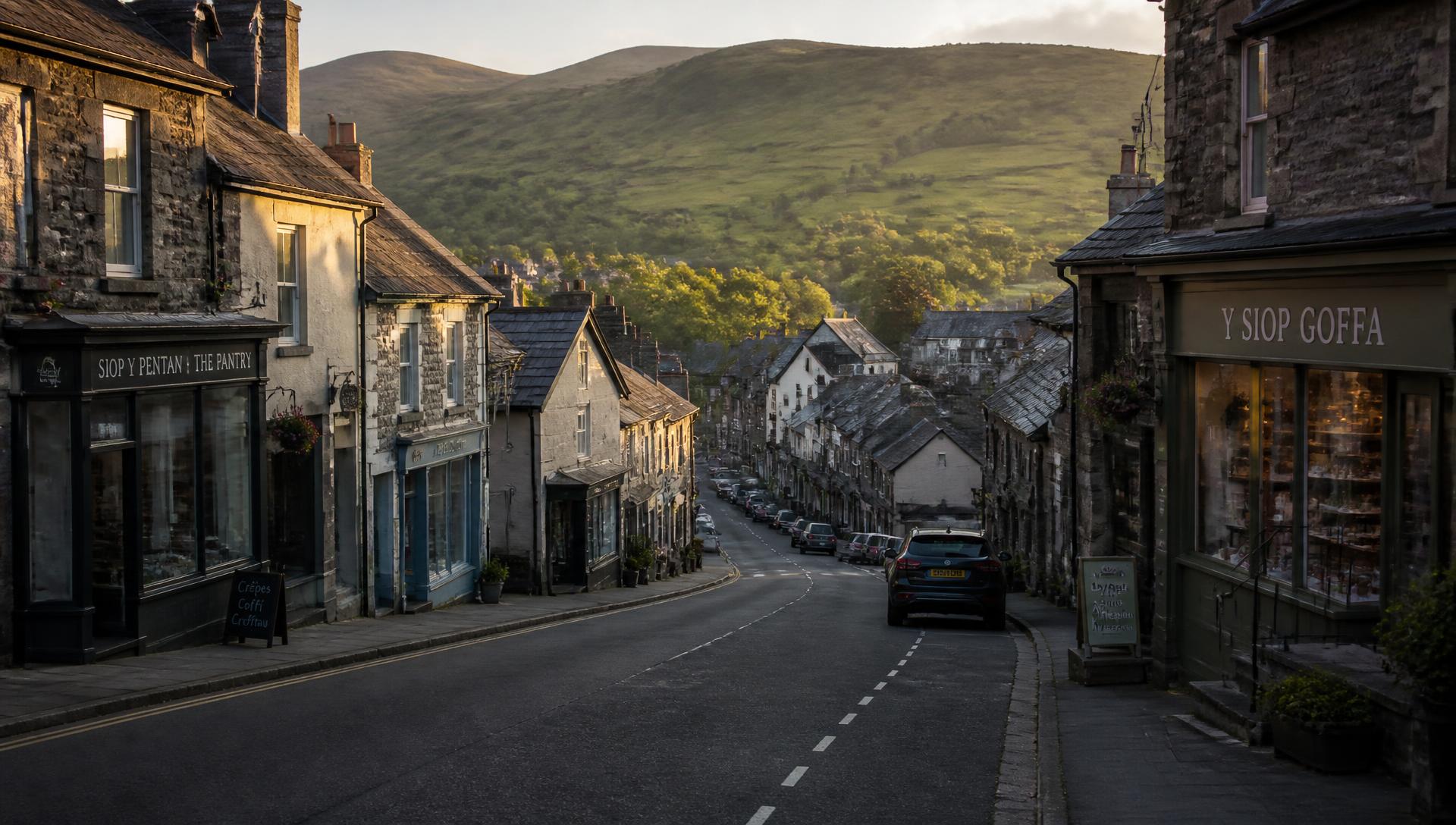
A Welsh village high street at the foot of green hills

There's a whole Welsh-speaking world out there.

Learn a little. Listen to something. Play a game. Find a new band. Say something badly. Come back tomorrow.

You don't need to wait until your Welsh is perfect. Whether you're starting out, coming back or reconnecting from far away, there's a place for you here.

Croeso.